
Clean aviation fuel consultancy
Cleaner Jet A‑1 storage. Safer operations. Lower emissions.
We help airports, airlines and fuel operators store and handle Jet A‑1 more cleanly, protecting fuel quality, people and the environment, with practical solutions built for real budgets.
Jet A‑1 powers global aviation. Storing it cleanly protects everyone.

Jet A‑1 is the kerosene‑grade fuel used by most turbine‑engine aircraft worldwide. Burning it produces emissions, and poorly managed storage adds more risk on top: water and microbial contamination, leaks, vapour losses and wasted fuel.
Elroi Aviation Consult is led by a dedicated clean aviation fuel consultant. The goal is simple: optimise the clean storage of Jet A‑1 so every operator, whatever its size or location, can deliver safe, on‑specification fuel while reducing its environmental footprint.
Services
Advisory support across the full storage lifecycle, from design and audit to daily handling and training.
-
Fuel storage audits
Independent assessment of tanks, pipework, filtration and procedures, ending in a clear, prioritised action plan.
-
Fuel quality and contamination control
Water, particulate and microbial contamination management, sampling regimes and filtration strategy to keep fuel on specification.
-
Emissions and spill reduction
Practical measures to cut vapour losses, leaks and spills, including venting, leak detection and secondary containment.
-
Standards and compliance support
Guidance aligned with recognised industry specifications and good‑practice frameworks, plus documentation ready for regulators and auditors.
-
Training and capacity building
Hands‑on training for fuel handlers, supervisors and managers, so good practice stays in place long after the project ends.
-
Future‑fuel readiness
Advice on storage segregation and handling so your facility is ready for sustainable aviation fuel (SAF) blends.
Clean fuel, from tank to wing
Fuel quality is won or lost at every step between the storage tank and the aircraft. Choose a stage to see what we review there.
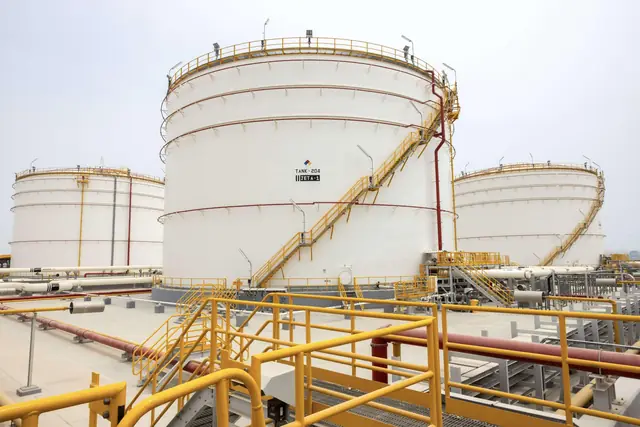
Receipt and storage
Most contamination enters or settles here. We look at how fuel is received, how long it settles, and how water is kept out of the tank.
- Receipt checks and documentation
- Settling time before release
- Routine water draining from tank sumps
- Tank condition, coatings and venting
- Bunding, secondary containment and leak detection
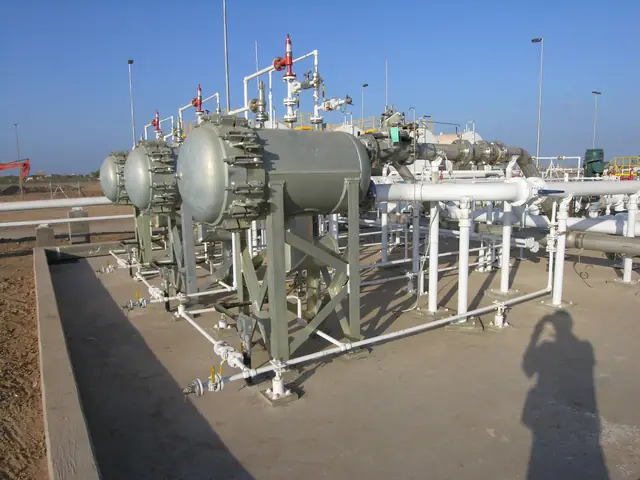
Filtration
Filter water separators remove free water and particulates before fuel moves on. They only work if they are sized, monitored and changed correctly.
- Filter sizing against flow rate
- Differential pressure (ΔP) monitoring and trending
- Element change criteria and records
- Vessel draining routine
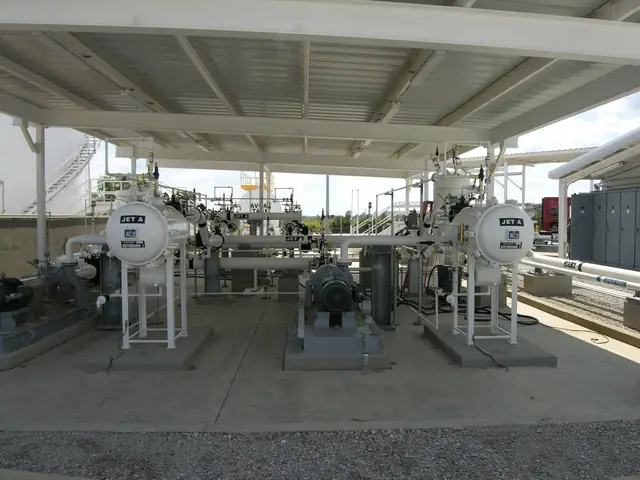
Sampling and testing
Sampling is how you prove fuel is clean. We check that sample points, frequency and record‑keeping would stand up to an audit.
- Sample point locations and access
- Visual and water checks at the right intervals
- Microbial growth monitoring
- Retained samples and traceable records
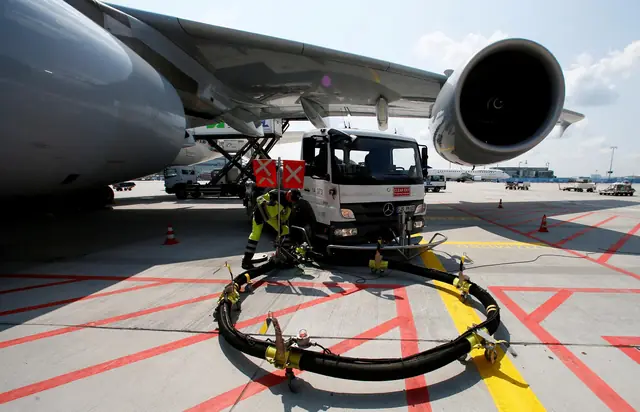
Metering and transfer
Moving fuel from the farm to refuellers or hydrants is another point where water, dirt and losses can creep in.
- Meter calibration and reconciliation
- Hose, coupling and pipework condition
- Loss and variance tracking
- Product segregation, including SAF blends
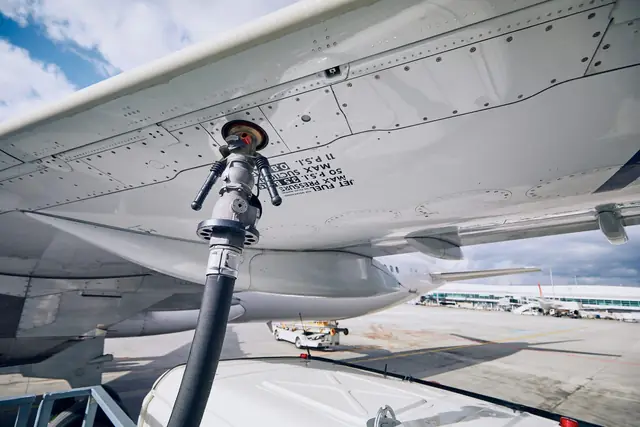
Into‑plane fuelling
Refueller operations are the final link. We review loading, bonding, filtration, sampling and record‑keeping so clean fuel reaches the wing every time.
- Refueller loading and daily checks
- Bonding and static control
- On‑vehicle filtration and final samples
- Delivery records and handover
Who we serve
Scaled to your operation, from a single‑tank airstrip to an international hub.
- Airports
- Depot storage, fuel farms and hydrant systems.
- Airlines
- Quality assurance and oversight of supplier fuel handling.
- Charter companies
- Reliable fuel quality at the remote and regional stops you depend on.
- Fixed‑base operators
- Efficient, compliant storage that builds customer confidence.
- Military and government
- Secure, resilient storage for mission‑critical supply.
- Corporate flight departments
- Private storage and handling that meets sustainability goals.
- General aviation
- Affordable best practice for smaller airfields and operators.
Clean aviation shouldn’t be a privilege.

Airports and operators in economically stretched regions often face the greatest fuel‑quality and environmental risks with the fewest resources, yet aviation there carries emergency response, medical flights, trade and connection.
We put particular focus on these communities. We design low‑cost, phased and locally maintainable solutions, starting with the improvements that deliver the biggest safety, quality and emissions gains.
Cleaner storage means less wasted fuel and fewer costly contamination events, which also makes a stronger case for further investment.
How we work
Four stages, so you always know what comes next and what it costs.
- 1
Assess
On‑site review and consultation to understand your facility, fuel flows and constraints.
- 2
Plan
A tailored, costed roadmap with quick wins and longer‑term upgrades.
- 3
Implement
Support with procedures, specifications, supplier selection and staff training.
- 4
Sustain
Follow‑up reviews and monitoring so improvements last and keep improving.
Questions operators ask
We are a small airfield. Is this for us?
Yes. Recommendations are scaled to your throughput and budget. A single‑tank site gets a short, practical action plan, not an international hub’s programme.
What does a fuel storage audit involve?
An on‑site review of your tanks, pipework, filtration, sampling and records, followed by a written report that ranks each finding by risk and cost to fix.
Do you replace our existing fuel supplier or quality team?
No. We advise and train. Your team and suppliers keep ownership of operations; we help them run to a higher, documented standard.
Can you help us prepare for sustainable aviation fuel?
Yes. We review segregation, compatibility and handling so your facility can take SAF blends without putting fuel quality at risk.
Do you work outside our country?
Yes. We serve clients worldwide, combining on‑site visits with remote follow‑up.
Let’s make your fuel storage cleaner.
Tell us about your airport or operation and we’ll propose a tailored way forward.
- Emailinfo@elroiaviationconsult.com
- CEOOrok Edet-Inwang
Orok.E@elroiaviationconsult.com - Phone+1 301-820-1498
- Office13852 Crosstie Drive
Germantown, Maryland 20874, USA
Serving clients worldwide.